Simucube 3 Ultimate Is Shipping
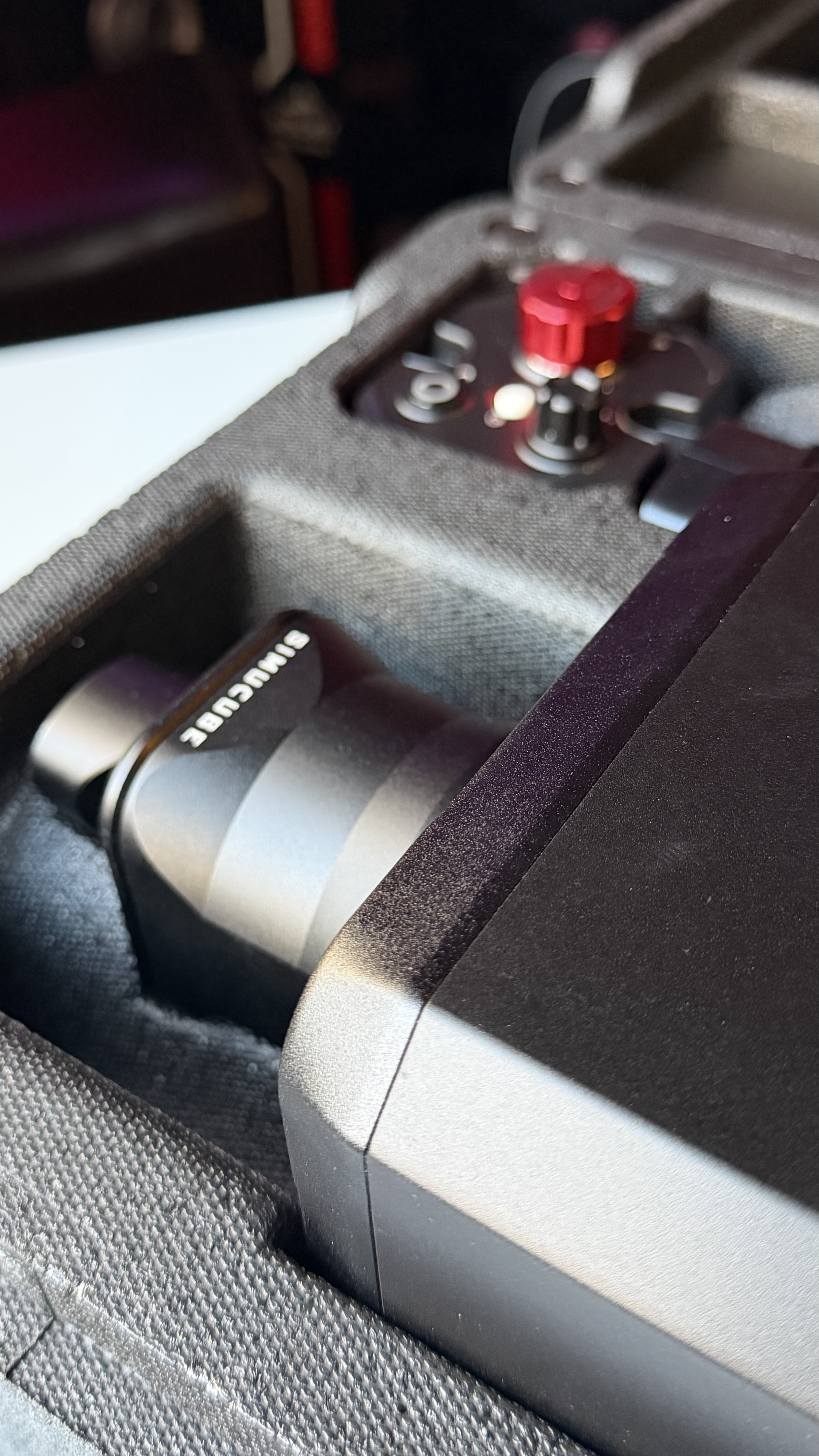
The wait is over. Simucube 3 Ultimate is now shipping, and units are landing in cockpits rather than sitting on a pre-order list. The flagship wheelbase delivers 35Nm of torque through a custom spoke-type IPM (interior permanent magnet) motor — a purpose-built design, not a repackaged industrial servo — and it now sits at the top of the SC3 range, above the Sport and Pro. With Ultimate shipping, the SC3 family is finally complete, and Simucube has a genuine flagship-to-entry lineup for the first time since the original Simucube 2 series.
It arrives alongside something arguably more important for long-term buyers than the torque figure: Simucube Link, a new quick-release and wheel-side connector standard meant to replace the aging QR23 ecosystem across future wheels and bases.
We covered the SC3 lineup and the Ultimate’s original announcement when Simucube first detailed the launch timeline back in June. This is the follow-up that matters — the base is real, it’s in customers’ hands, and we can talk about what it actually changes for people building or upgrading a rig.
35Nm — Who Actually Needs It
Let’s be direct about the number, because 35Nm gets thrown around like it’s automatically better than 25Nm or 20Nm. It isn’t, for most drivers. Torque this high is overkill for GT3 and touring car content, and even oval and prototype racing rarely demand sustained forces anywhere near the base’s ceiling — you’ll hit the limits of your own wrists and forearms long before you hit the limits of the motor.
Where 35Nm earns its place is in two scenarios: drivers running heavy FFB effects and road/kerb detail cranked well above stock settings who want massive headroom before clipping, and teams or facilities running endurance events where consistent, fade-free output over 12-24 hours matters more than peak number on a spec sheet. We fall into that second category. Our team races Nürburgring 24H and Spa 24H stints on our own hardware, and what we care about isn’t the ceiling — it’s whether the base holds its character at hour 18 the same way it did at hour one.
Compared to the field, 35Nm puts the Ultimate ahead of most established flagships and roughly in line with the handful of other bases chasing the extreme-torque segment — including the Simagic Alpha EVO Ultra at 28Nm, which we’ve also spent real time with. The gap between “impressive on paper” and “impressive after a 24-hour stint” is where we actually form an opinion, and that testing isn’t done yet on the Ultimate. We’re not going to pretend six weeks of shipping units is enough runway for an endurance verdict.
Simucube Link: The Quieter Story
The torque number is the headline. Simucube Link is the part that will matter two or three hardware cycles from now. It’s a new connector and quick-release standard spanning both the wheel side and the base side, designed to standardize how wheels attach, communicate, and — critically — get power and data across the interface without the adapter-chain workarounds that QR23-based ecosystems have needed for years.
For anyone buying into the SC3 platform now, the practical question is compatibility: which wheels support Link at launch, whether existing QR23 wheels need an adapter, and how much of your current wheel collection carries forward. Simucube has signaled Link as the direction for future wheel releases, which means early Ultimate buyers are making a bet on the standard’s adoption curve, not just the base underneath it.
This is exactly the kind of decision we walk through with clients before we spec a build — because a customer buying a single wheelbase can afford to wait and see how an ecosystem shakes out. A customer buying a turn-key rig from us can’t, because we’re the ones who have to guarantee it works, mounts correctly, and keeps working for years.
Why We Don’t Spec on Spec Sheets
This is the piece that gets skipped in most hardware coverage: a 35Nm base is only as good as the cockpit bolted around it. Torque numbers assume a rigid, correctly mounted platform. Put a flagship wheelbase on a cockpit that flexes under load, or bolt it to a plate that isn’t rated for the forces it can generate, and you haven’t gained fidelity — you’ve built a way to strip mounting hardware and fatigue your rig’s structure over time.
That’s why, when a base like the SC3 Ultimate earns a place in one of our builds, it’s because we’ve run it against real cockpit geometry and real mounting hardware, not because it’s new and has a bigger number than last year’s flagship. We test how it behaves under our own endurance-racing conditions, how it integrates with the rest of the drivetrain in a given package, and whether the gains over a Pro-tier base are actually usable by the driver sitting in the seat — versus theoretical.
Right now, the SC3 Ultimate is a strong candidate for our Darkest-tier builds, where clients are already asking for the highest fidelity we can engineer and where endurance-grade consistency is part of the brief, not a nice-to-have. It’s not yet a base we’re defaulting into every build, because “shipping” and “endurance-tested in our own conditions” are two different milestones, and we don’t collapse them just because a product launched.
Where This Fits in a Build
If you’re already running a Simucube 2 Ultimate or a Pro-tier base from another manufacturer, the Ultimate is worth a conversation about whether the torque ceiling and the Link ecosystem justify a move now versus waiting a cycle for wheel compatibility to mature. If you’re speccing a new rig from scratch and endurance racing or maximum FFB headroom is genuinely part of your use case, it’s a legitimate flagship contender worth building around.
We’d rather have that conversation with the cockpit and mounting plan on the table than sell a wheelbase in isolation. If you’re weighing the SC3 Ultimate against what we’re already running in our own builds, book a consult and we’ll walk through where it actually fits — and where a Pro-tier base gets you the same result for less complexity.