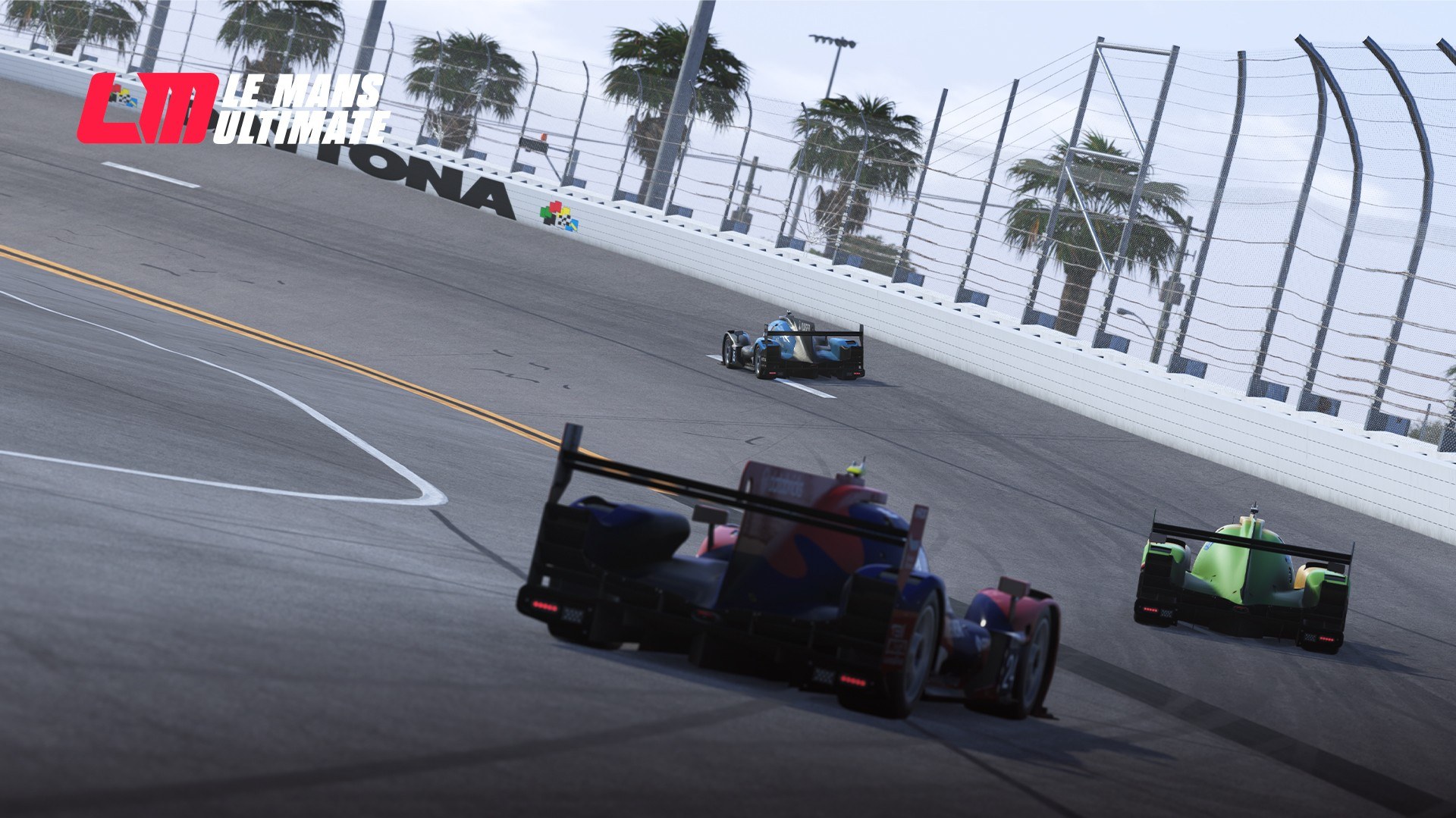
Le Mans Ultimate’s version 1.4 update landed with the usual promise — new content, refined systems, a step forward. What it actually delivered online was lag spikes, contact that registered a half-second late, and cars teleporting through corners they’d already cleared. Studio 397 is now pushing a dedicated netcode fix on September 15, 2026, with three official online test races scheduled immediately after to stress-test multiplayer stability before it goes back into wide release.
Why netcode is the whole ballgame
Physics get the headlines. Netcode doesn’t, until it breaks — and then it’s the only thing anyone’s talking about.
Netcode is the layer that decides how your car’s position, on your screen, matches everyone else’s car on their screen, dozens of times a second, across however many hundred milliseconds of latency sit between you. Get it right and contact feels fair, drafting feels real, and a door-to-door fight into a chicane resolves the way it looked like it would. Get it wrong and you get exactly what LMU drivers reported after 1.4: cars that ghost through you, positions that snap backward, and incidents that get called against the wrong driver because the server’s version of events and your version of events never agreed in the first place.
For a title built around endurance racing — where you’re sharing the track with 40+ cars for hours at a time, in traffic, at night, in the rain — that’s not a cosmetic bug. It’s the difference between a clean stint and a driver eating a GTE car that, from their screen, wasn’t there yet.
What to actually expect on the 15th
Studio 397 isn’t just shipping the patch and hoping. The three test races that follow are a deliberate stress test — putting real driver counts, real traffic density, and real contact scenarios against the new netcode before it’s trusted as the default online experience. That’s the right call. Netcode issues rarely show up in a five-car private lobby; they show up at lap 40 of a full-grid enduro when the server’s under sustained load and every car on track is fighting for the same six feet of racing line.
If you’re planning to run LMU online around that date, expect some churn. Test races mean the population briefly concentrates around official sessions, server behavior may shift patch to patch as Studio 397 tunes based on what the tests surface, and league organizers should treat the days immediately after the 15th as a “watch, don’t schedule your A-race here” window. We’d give it a week of live traffic data before trusting it for anything that matters.
Why this isn’t academic for us
We don’t just spec rigs and hand them over — we race leagues on the same simulators we build, and endurance events are a big part of what we run. A netcode regression isn’t an abstract complaint for us; it’s the thing that turns a clean 45-minute stint into a driver eating a puck at the exit of Indianapolis because the server hadn’t caught up to where the car actually was. We’ve been on the receiving end of exactly this kind of desync in past LMU builds, and it’s the fastest way to turn a competitive session into a write-off.
That’s also why, when people ask us what actually separates a good sim racing rig from a great one for online competition, our answer usually isn’t about wheel torque or pedal load cells — it’s about the parts of the system most people never think about. A turn-key build means your networking stack, your background processes, and your system resources are already tuned so the game’s netcode has the cleanest possible pipe to work with. Studio 397 can only fix so much on their end; a stuttering frame pacing setup or a flaky NIC driver will make even solid netcode look broken on your screen.
We’ve written before about why turn-key simulators are the winning choice for exactly this reason — the hardware and the software need to be engineered together, not assembled from parts and hoped into working. Every RSR build ships optimized for sims like LMU specifically, with the driver-level and OS-level noise stripped out that can turn a marginal netcode patch into an unplayable one.
Where this leaves league and endurance racers
If you’re running or racing in an LMU league, the practical move is patience. Let the three official test races do their job, watch for driver reports in the days after the 15th, and hold off scheduling anything with real stakes — points races, qualifiers, anything with a trophy on the line — until the patch has proven itself in a full-grid environment outside the controlled test sessions. We’ll be watching it the same way, because we’ve got our own crew running LMU in league competition and we’d rather race on a stable build than be the ones finding the edge cases live.
For everyone else, this is a reminder of something we say constantly: sim racing performance isn’t just about horsepower on the wheelbase. It’s about every layer of the stack working together — physics, netcode, and the machine underneath all of it holding steady when the grid gets crowded and the stakes get real.
Curious whether your current setup is actually built to handle competitive online racing, or want to talk through what a rig engineered for league and endurance racing looks like? Book a demo at our Calgary shop and we’ll walk you through it.